COVID19, TOURISM & FOREIGN DEBT

LAUNCH OF ‘THE FIJIAN PEOPLES CHARTER’
September 9, 2020
TRIBUTE TO FR KEVIN BARR
September 24, 2020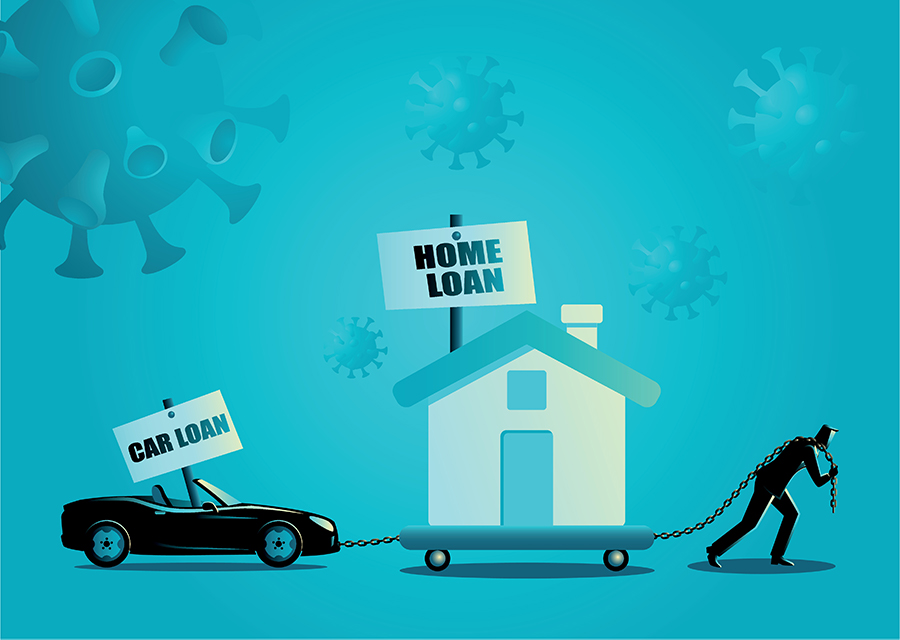
Fiji has recorded 29 cases of the novel Coronavirus (COVID-19), 24 of whom have made a full recovery. Fiji now has 3 active border quarantined cases of COVID-19 (as of 2nd September 2020). While Covid19 did not medically affect a big number of people, it has a major effect on the Tourist Industry.
Tourism
Fiji’s economy relies heavily on the tourism industry. Tourism contributes nearly 40% to Fiji’s gross domestic product – about FJ$2bn (AU$1.4bn) – and directly or indirectly employs over 150,000 people in various industries. The bulk of its tourists come from nearby Australia (41%) and New Zealand (23%), which like many countries around the world have banned international travel. (The Gaurdian)
Foreign Debt
In his 2020-21 Budget speech, Minister of Economy, Mr. Aiyaz Sayad-Khaiyum stated that we will be borrowing to make the difference in revenue. He said that when a government borrows responsibly, it is investing in our future. “This isn’t some debt trap; it’s the international financial system’s vote of confidence in the Fijian people and in our potential as a nation.”
Mr. Mahendra Chaudry wrote in Fiji Times 22nd August’ “Budget 2020-21 has announced a total of USD $640 million in new loans, a staggering FJD $1.4 billion, much of which will go towards debt re-financing ie. paying off old debts. Fiji’s debt level has trebled under the Fiji First government from $2.56b in 2006 to $8.1b in 2020.”
Structural Adjustment Programs and Foreign Debt
The International Monetary Fund, World bank, Asian Development Bank are the main sources of foreign loans. Studies and research on The World Bank and International Monetary Fund (IMF) and their Structural Adjustment Programs argue that foreign debt is the reason many developing nations are in debt and poverty. The World Bank and IMF lend money to develop the economy of Third World Countries. When Third World Countries cannot pay their loans, the World Bank and IMF instructs them to carry out a structural adjustment program (SAP), that is to adjust their economic development plans so that they are more market oriented and therefore able to pay their debt. However, the World Bank and IMF determine the criteria of the SAP and often times it brings further poverty and not development.
The World Bank and IMF through SAP instructs Third World Countries to reduce government spending on essential services like health, education, other public sectors and development, reduce tax of high-income earners, deregulation and make debt repayment and other macroeconomic policies (like OMRS) a priority. SAPs have been heavily criticized for many years for causing poverty. In addition, SAP has increased the dependency of Third World Countries on richer nations. This is despite the IMF and World Bank’s claim that they will reduce poverty. Many intellectual observers and economists have noted that IMF and World Bank policies are not principally meant to alleviate poverty in developing countries but to advance the agenda and economic interests of the West.
Globalization believes in the free market system which is addicted to privatization. Privatization promises better services. And so, many countries have been privatising essential services for the last 250 years, which means they have diverted resources from the common good and put them into the private sector.
When governments privatise basic essential services, they hand over their role of service to a company with a market and profit culture. A company’s primary value is profit not service. When a government privatizes she hands over her duty for the common good to the private sector or a company.
The future Fijian people will not only face the climate change crisis but also a financial crisis implicated by foreign debt.
Another World is Possible
St. Pope John Paul II warned the world that the policies governing structural adjustment loans are in direct contrast to the virtue of solidarity and hence unethical. We have humanize globalization so that it serves the common good.
Walter Brueggemann, in his book ‘An Another Kingdom’, believes that ‘another world is really possible. We need to develop an alternative vision for the global economy. We must depart from the kingdom of globalization to ‘another kingdom. This other kingdom expresses the growing longing of the world for an alternative culture, an alternative way of being altogether. The new way of being will be marked by love of neighbor, localized community, and a cooperative culture.
Eric Toussaint and Arnaud Zacharie’s article ‘External Debt: Abolish Debt in Order to Free Development’(printed in Another World is Possible) propose a ‘A New Development Strategy’
- End to SAP
- Ensure the return of privatized sectors to the public domain
- Adopt a partly self-based development model
They propose ‘New Rules of Financial Good Practice’ based on the following:
- Re-regulate the financial market
- Control of the movement of capital
- Eliminate tax havens
- Debt may be approved if it is democratically approved by popular vote.
COVID-19 has done what human cannot do, that is, slow down globalisation and reverse the world. COVID-19 has given space for people to reset fundamental life-giving principles. COVID-19 will challenge policy makers to reflect on development that places the human person at the centre, promotes local participation and benefit and regulate the businesses of global corporations. COVID-19 challenges the world on how we want to chart this world so that it will protect human beings and creation.
Fijian people will have to prepare for a financial crisis. The government, economists, Churches, NGOs, Rural Developers must prepare and educate people on how to live in uncertain economic times.
By Archbishop Peter Chong